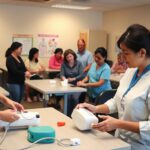
Nurses play a vital role in providing elderly care within the comfort of their own homes. As the population ages, the demand for home healthcare services continues to grow, and nurses are at the forefront of delivering high-quality patient-centred care.

Their nursing responsibilities extend beyond medical treatment to include emotional support and guidance, helping elderly individuals to maintain their independence and quality of life. By providing personalised care and support, nurses enable older adults to recover from illnesses or injuries, manage chronic conditions, and navigate the challenges of ageing.
In essence, nurses are pivotal in ensuring that elderly individuals receive comprehensive home healthcare that addresses their unique needs, fostering a supportive environment that promotes overall wellbeing.
The Growing Need for Elderly Home Healthcare in India
With the ageing population in India on the rise, the demand for home healthcare services is escalating. This shift is driven by various demographic and socio-cultural factors.
Demographics and Ageing Population Statistics
India is experiencing a significant increase in its ageing population. According to recent statistics, the proportion of elderly citizens is expected to rise substantially in the coming decades, placing a greater emphasis on elderly care.
Cultural Shift in Elderly Care Approaches
The traditional family-based care system is undergoing a transformation due to modernisation and urbanisation.
Traditional Family-Based Care Systems
Traditionally, Indian families have taken care of their elderly members at home. This approach is rooted in cultural values that emphasise respect and care for elders.
Modern Challenges and Solutions
However, with increasing urbanisation and changing family structures, traditional care systems are facing challenges. Modern solutions, such as professional home healthcare services, are emerging to fill this gap.

The integration of professional healthcare services into the home care setting can provide comprehensive support to the elderly, addressing their medical and emotional needs effectively.
Core Responsibilities of Home Healthcare Nurses for Elderly Patients
The core responsibilities of home healthcare nurses for elderly patients encompass a broad spectrum of care and support. These nurses are crucial in managing the health and wellbeing of elderly individuals, particularly those recovering from surgery or dealing with chronic conditions.
Initial and Ongoing Health Assessments
Home healthcare nurses conduct thorough initial health assessments to understand the patient’s condition, medical history, and specific needs. Ongoing assessments are equally important, as they help in monitoring the patient’s progress and making necessary adjustments to the care plan.
Medication Administration and Management
Nurses are responsible for the safe administration of medications and for educating patients and their families on proper medication management. This includes understanding dosage instructions, potential side effects, and the importance of adherence to prescribed medication regimens.
Vital Signs Monitoring and Documentation
Regular monitoring of vital signs such as blood pressure, heart rate, and temperature is critical. Accurate documentation of these observations helps in early detection of any deviations from normal, facilitating timely interventions.
Early Detection of Complications
One of the key roles of home healthcare nurses is the early detection of complications. By closely monitoring patients’ conditions and being vigilant for signs of potential issues, nurses can prevent minor problems from becoming severe. Some common complications include:
- Infection
- Blood clots
- Adverse reactions to medication
Early detection allows for prompt intervention, improving patient outcomes.
Post-Surgery Nursing Care for Elderly Patients
The role of nurses in post-surgery care for elderly patients is multifaceted and critical for their well-being. Effective nursing care can significantly impact the recovery process, reducing the risk of complications and improving overall health outcomes.
Wound Care and Dressing Management
Wound care is a crucial aspect of post-surgery nursing care. Nurses must ensure that wounds are properly cleaned, dressed, and monitored for signs of infection. Proper wound care techniques can prevent complications such as wound dehiscence or infection.
Pain Assessment and Control Techniques
Pain management is another vital component of post-surgery care. Nurses should use a variety of pain assessment tools to evaluate the level of pain and implement appropriate pain relief strategies, which may include medication or alternative therapies.
Preventing Post-Surgical Complications
Preventing complications is a key goal of post-surgery nursing care. This involves several strategies, including infection prevention protocols and managing immobility-related risks.
Infection Prevention Protocols
Nurses play a critical role in preventing surgical site infections through proper wound care and the use of antibiotic prophylaxis when necessary.
Managing Immobility-Related Risks
Immobility can lead to complications such as pressure sores or deep vein thrombosis. Nurses can mitigate these risks by implementing early mobilization strategies and using pressure-relieving devices.
Rehabilitation and Recovery Support
Elderly patients recovering from surgery or illness require multifaceted care, including rehabilitation and recovery support. This comprehensive approach helps patients regain their strength, mobility, and independence.
Mobility Assistance and Exercise Programs
Nurses play a vital role in assisting elderly patients with mobility through tailored exercise programs. These programs are designed to improve flexibility, balance, and strength, reducing the risk of falls and further injury. Gentle exercises such as stretching and short walks are often recommended.
Activities of Daily Living (ADL) Support
Support with Activities of Daily Living (ADL) is crucial for elderly patients during their recovery. Nurses assist with bathing, dressing, and feeding, ensuring that patients’ basic needs are met while they focus on recovering.
Nutritional Care for Optimal Recovery
Adequate nutritional care is essential for recovery. Nurses ensure that patients receive a balanced diet that supports healing and overall health.
Dietary Modifications for Common Post-Surgical Needs
Dietary adjustments are often necessary following surgery. For example, patients may require a diet rich in protein to support tissue repair or a soft diet if they have difficulty chewing or swallowing.
Psychological and Emotional Support in Elderly Care
In elderly care, addressing psychological needs is as important as physical care. Elderly patients often experience significant emotional challenges, particularly after surgery.
Managing Post-Surgical Anxiety and Depression
Nurses play a crucial role in identifying and managing post-surgical anxiety and depression. They use various communication strategies to understand the patient’s concerns and provide reassurance.
Communication Strategies for Cognitive Impairments
Effective communication is key when caring for elderly patients with cognitive impairments. Nurses use simple, clear language and non-verbal cues to facilitate understanding.
Building Trust with Elderly Patients
Building trust is fundamental in providing psychological support. Nurses achieve this by being empathetic, consistent, and responsive to the patient’s needs, thereby fostering a supportive care environment.
How Do the Roles of Nurses Differ in Assisted Living Compared to Home Elderly Care?
In the realm of elderly care, understanding assisted living versus home care options is essential. Nurses in assisted living often handle medication management and health monitoring in a community setting. In contrast, home care nurses provide personalized support tailored to individual needs, focusing on daily living activities in a familiar environment.
Challenges and Solutions in Indian Home Healthcare Context
The Indian home healthcare context presents unique challenges that require tailored solutions. One of the primary concerns is the disparity in infrastructure and resource availability across different regions.
Infrastructure and Resource Limitations
Rural areas often lack access to basic healthcare facilities and equipment, making it difficult to provide comprehensive care. Telehealth services can help bridge this gap by offering remote consultations and monitoring.
Family Involvement and Education
Family members play a crucial role in caring for elderly patients at home. Educating them about patient care is essential.
Training Family Members as Care Partners
Training programs for family members can enhance their caregiving skills, ensuring they can provide effective support. This includes understanding medication management, basic first aid, and how to assist with daily activities.
Cultural and Religious Considerations
Cultural sensitivity is vital in home healthcare. Understanding and respecting the cultural and religious beliefs of patients can significantly impact their comfort and compliance with care plans.
By addressing these challenges and implementing solutions, the quality of home healthcare in India can be significantly improved, enhancing patient outcomes and satisfaction.
Technology Integration in Elderly Home Nursing
Advancements in technology are significantly impacting the field of elderly home nursing, improving patient outcomes. The incorporation of various technological tools is enhancing the quality of care provided to elderly patients, making it more personalised and efficient.
Telehealth Applications in Post-Surgical Monitoring
Telehealth applications are being increasingly used for post-surgical monitoring of elderly patients. These applications enable healthcare professionals to remotely track patients’ vital signs and recovery progress, allowing for timely interventions if complications arise.
Digital Health Records and Care Coordination
Digital health records are improving care coordination among healthcare providers. By maintaining accurate and accessible records, healthcare professionals can ensure that patients receive consistent and comprehensive care.
Assistive Devices for Enhanced Independence
Assistive devices, such as wearable technology and smart home devices, are enhancing the independence of elderly patients. These devices enable patients to perform daily tasks more easily and safely, improving their overall quality of life.
By embracing technology integration, elderly home nursing can become more effective, personalised, and responsive to the needs of patients.
Conclusion: Advancing Elderly Home Healthcare in India
Advancing elderly home healthcare in India is crucial as the country’s population ages. Elderly patients benefit significantly from comprehensive care provided by home healthcare nurses, which improves their quality of life.
Technology has improved elderly home healthcare services. Telehealth applications and digital health records have enhanced service delivery, making it more efficient.
Addressing challenges faced by home healthcare providers is essential to further advance healthcare for the elderly. Infrastructure limitations and family involvement are key areas that require attention to develop a more effective elderly home healthcare system in India.
Prioritizing the development of home healthcare services that cater to the unique needs of India’s ageing population is vital as demand continues to grow.