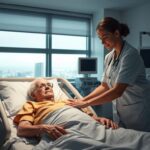
Regaining mobility and independence after a stroke can be a challenging journey. Physiotherapy plays a crucial role in stroke rehabilitation, helping patients recover lost functions and adapt to new circumstances. At Life100 Chennai, we understand the importance of personalised care in the recovery process.
Key Takeaways
- Physiotherapy is vital for regaining mobility after a stroke.
- A personalised rehabilitation plan is crucial for effective recovery.
- Life100 Chennai offers tailored stroke rehabilitation care.
- Early intervention can significantly improve patient outcomes.
- A comprehensive care plan addresses the unique needs of each patient.
Understanding Stroke and Its Effects on the Body
Understanding the effects of a stroke on the body is crucial for effective rehabilitation and recovery. A stroke occurs when the blood supply to part of the brain is interrupted or reduced, preventing brain tissue from getting oxygen and nutrients. This can lead to significant physical and cognitive impairments.
Types of Strokes and Their Impact on Mobility
There are mainly three types of strokes: ischemic, hemorrhagic, and transient ischemic attack (TIA). Ischemic strokes, the most common type, occur when a blood vessel is blocked, while hemorrhagic strokes happen when a blood vessel ruptures. TIAs are temporary and often a warning sign for a future stroke. Each type can significantly impact mobility, with some patients experiencing paralysis or weakness on one side of the body.

Common Physical Challenges Following a Stroke
Stroke survivors often face a range of physical challenges, including hemiplegia or hemiparesis (weakness on one side of the body), difficulty with balance and coordination, and challenges with speech and swallowing. These physical limitations can hinder daily activities and affect independence.
| Physical Challenge | Impact on Daily Life | Rehabilitation Approach |
| Hemiplegia/Hemiparesis | Difficulty with mobility and performing daily tasks | Physical therapy focusing on strength and mobility recovery exercises |
| Balance and Coordination Issues | Increased risk of falls and injuries | Balance training and coordination exercises |
| Speech and Swallowing Difficulties | Challenges with communication and nutrition | Speech therapy and dietary adjustments |
For those affected by stroke, seeking professional guidance is crucial. At Life100 Chennai, experts provide tailored rehabilitation programs to help patients regain their strength and independence. Contact us to learn more about how our rehabilitation services can support your recovery journey.
The Role of Physiotherapy in Stroke Recovery
Physiotherapy is a cornerstone in the rehabilitation process following a stroke. It involves a comprehensive approach to help patients regain their strength, mobility, and function. Effective physiotherapy can significantly improve the quality of life for stroke survivors by enabling them to perform daily activities and participate in their communities.

physiotherapy in stroke recovery
How Physiotherapists Assess Stroke Patients
Physiotherapists conduct thorough assessments to understand the impact of the stroke on the patient’s physical abilities. This includes evaluating muscle strength, range of motion, balance, and gait. The assessment informs the development of a personalised rehabilitation protocol tailored to the patient’s specific needs and goals. For instance, post-op physio exercises may be incorporated into a surgical recovery program to enhance healing and restore function.
Setting Realistic Rehabilitation Goals
Setting realistic goals is crucial in the rehabilitation process. Physiotherapists work with patients and their families to establish achievable objectives, which may include regaining the ability to walk or perform daily tasks independently. A well-structured rehabilitation protocol ensures that progress is monitored, and adjustments are made as necessary to optimise recovery. For personalised care and guidance, consider consulting with experts like those at Life100 Chennai.
Early Intervention: The Critical First Weeks
Early intervention is vital in the first few weeks after a stroke. During this period, physiotherapy plays a crucial role in the rehabilitation process, helping patients recover from the initial impact of the stroke.
The timely initiation of physiotherapy can significantly influence the outcome of the recovery, making it essential for patients to start their physical therapy after surgery as soon as medically feasible.
Preventing Complications Through Early Mobilisation
Early mobilisation is a key aspect of physiotherapy in the initial stages after a stroke. It helps prevent complications such as deep vein thrombosis, joint stiffness, and muscle atrophy. By gently mobilising the affected limbs, physiotherapists can reduce the risk of these complications, thereby improving the patient’s overall health and facilitating a smoother recovery.
Establishing the Foundation for Long-term Recovery
In addition to preventing complications, early physiotherapy intervention lays the groundwork for long-term recovery. By starting the rehabilitation process early, patients can regain strength, mobility, and function more effectively. This early start enables patients to make significant progress in their recovery, ultimately enhancing their quality of life.
Physiotherapists work closely with patients to tailor a rehabilitation programme that addresses their specific needs, helping them achieve their recovery goals.
Key Physiotherapy Techniques for Stroke Rehabilitation
Effective stroke recovery involves a range of physiotherapy methods designed to restore mobility and functionality. These techniques are tailored to the individual needs of patients, helping them navigate the challenges of rehabilitation.
Motor Relearning and Neuroplasticity Approaches
Motor relearning programmes focus on re-educating the brain and muscles to perform tasks that were lost due to stroke. These programmes exploit the concept of neuroplasticity, where the brain adapts and forms new connections, thereby facilitating recovery. Neuroplasticity approaches involve tailored exercises that stimulate the brain’s ability to relearn and compensate for damaged areas.
Constraint-Induced Movement Therapy (CIMT)
CIMT is a technique that involves constraining the unaffected limb to force the use of the affected limb, thus promoting motor recovery. This method has been shown to be effective in improving function in the paretic limb by enhancing motor learning and overcoming learned non-use.
Functional Electrical Stimulation (FES)
FES involves the use of electrical currents to stimulate muscle contractions and improve muscle function. It is particularly useful for patients with significant weakness or paralysis, helping to restore some level of motor control and facilitate recovery exercises.
Hydrotherapy and Other Specialised Approaches
Hydrotherapy, or aquatic therapy, utilises water to reduce the weight-bearing burden on joints and muscles, making it easier for patients to perform movements. Other specialised approaches may include the use of robotic devices and virtual reality to enhance post-op physio exercises and overall rehabilitation outcomes.
These physiotherapy techniques, when integrated into a comprehensive rehabilitation protocol, can significantly enhance the recovery process for stroke patients. By tailoring the treatment to the individual needs of each patient, physiotherapists can help achieve the best possible outcomes.
A Comprehensive Post-Surgery Physiotherapy Guide for Stroke Patients
A comprehensive post-surgery physiotherapy guide is crucial for stroke patients to regain their mobility and independence. Stroke rehabilitation is a complex process that involves not only physiotherapy but also a range of other treatments and interventions.
Physiotherapy plays a vital role in helping stroke patients recover from their condition. A well-structured post-surgery physiotherapy guide ensures that patients receive the care they need to regain their strength and mobility.
Adapting Physiotherapy to Different Stages of Recovery
Adapting physiotherapy to different stages of recovery is essential for effective stroke rehabilitation. The recovery process can be divided into several stages, each with its unique challenges and requirements.
| Recovery Stage | Physiotherapy Focus | Goals |
| Acute Stage | Pain management, preventing complications | Stabilize the patient’s condition |
| Sub-Acute Stage | Improving mobility, strength | Enhance functional abilities |
| Chronic Stage | Maintaining mobility, preventing further decline | Promote independence |
As shown in the table, each stage of recovery requires a different focus and approach to physiotherapy. A surgical recovery program that incorporates physiotherapy can help patients navigate these stages effectively.
Integrating Physiotherapy with Other Treatments
Integrating physiotherapy with other treatments is crucial for comprehensive stroke rehabilitation. This may include occupational therapy, speech therapy, and medication management.
A post-operative care plan that includes physiotherapy can help patients recover more effectively. For more information on stroke rehabilitation and physiotherapy, contact Life100 Chennai.
Regaining Mobility: From Bed to Walking
The path to recovery involves regaining mobility, which typically starts with simple bed exercises for stroke patients. As patients progress, the goal is to achieve independent walking and other functional movements.
Progressive Mobility Exercises and Techniques
Progressive mobility exercises are crucial for stroke patients. These exercises start with basic movements such as turning in bed, sitting up, and eventually standing and walking. Physiotherapists tailor these exercises to the individual’s capabilities and progress.
Initially, exercises may include:
- Range of motion exercises to maintain flexibility
- Strengthening exercises to improve muscle power
- Balance training to reduce the risk of falls
Assistive Devices and Their Role in Rehabilitation
Assistive devices play a vital role in the rehabilitation process, providing support and enabling patients to perform tasks they otherwise couldn’t. Common assistive devices include walkers, canes, and orthotics.
| Device | Purpose | Benefits |
| Walker | Provides stability and support during walking | Enhances balance, reduces fall risk |
| Cane | Offers additional support and balance | Improves stability, aids in ambulation |
| Orthotics | Corrects or supports the alignment of limbs | Improves gait, reduces strain on joints |
Measuring Progress and Adjusting Treatment Plans
Regular assessment of a patient’s progress is essential to adjust treatment plans accordingly. Physiotherapists use various outcome measures to evaluate improvements in mobility, strength, and function.
By continuously monitoring progress, healthcare providers can:
- Modify exercises to challenge the patient appropriately
- Introduce new assistive devices as needed
- Set realistic goals based on the patient’s recovery trajectory
Upper Limb Rehabilitation Strategies
Upper limb rehabilitation plays a vital role in helping stroke patients recover lost motor skills and regain functional ability. The process involves a range of exercises and techniques tailored to the individual’s needs and stage of recovery.
Fine Motor Skill Recovery Exercises
Fine motor skills are essential for performing daily tasks such as dressing, feeding, and using utensils. Exercises aimed at recovering fine motor skills include:
- Finger bending and straightening
- Finger spreading and bringing together
- Manipulation of small objects like coins or beads
These exercises should be practised regularly as part of a comprehensive rehabilitation protocol. Incorporating post-op physio exercises can significantly enhance recovery.
Addressing Shoulder Pain and Subluxation
Shoulder pain and subluxation are common complications following a stroke, affecting the patient’s ability to move their arm. Management strategies include:
| Condition | Management Strategy |
| Shoulder Pain | Pain management through medication and physical therapy modalities like heat or electrical stimulation |
| Subluxation | Supportive devices like slings, and exercises to strengthen the shoulder muscles |
Effective management of these conditions is crucial for successful rehabilitation. As noted by a healthcare professional, “Early intervention and a well-structured rehabilitation plan can significantly improve outcomes for stroke patients recovering from surgery.”
“The goal of upper limb rehabilitation is not just to improve function but to enhance the overall quality of life for stroke survivors.”
By focusing on fine motor skill recovery and addressing complications like shoulder pain and subluxation, upper limb rehabilitation strategies can greatly aid in the recovery process.
Psychological Aspects of Stroke Rehabilitation
The rehabilitation process following a stroke is as much about mental resilience as it is about physical healing. The journey to recovery can be emotionally taxing, with patients often experiencing frustration, depression, and anxiety.
Managing Frustration and Depression
Managing frustration and depression is crucial during the rehabilitation process. Patients should be encouraged to express their feelings and concerns openly. A supportive environment can significantly alleviate the emotional burden.
- Seeking professional help when needed
- Engaging in activities that bring joy and relaxation
- Building a support network of family and friends
Motivation Techniques and Celebrating Small Victories
Motivation is key to a successful rehabilitation process. Celebrating small victories, no matter how insignificant they may seem, can greatly enhance a patient’s motivation. Techniques include setting realistic goals and using positive reinforcement.
- Setting achievable milestones
- Using visual aids to track progress
- Providing positive feedback
For a comprehensive post-operative care plan that addresses both physical and emotional needs, contact Life100 Chennai for support and guidance. Their team is dedicated to helping patients navigate the challenges of stroke rehabilitation.
Conclusion: The Journey to Recovery with Life100 Chennai
Stroke rehabilitation is a complex process that requires a comprehensive approach, including a well-structured post-surgery physiotherapy guide and rehabilitation protocol. As discussed, physiotherapy plays a vital role in helping patients regain mobility and independence.
A tailored post-operative care plan is essential for effective recovery, addressing the unique needs of each patient. At Life100 Chennai, a team of experienced professionals is dedicated to providing personalized stroke rehabilitation care, utilizing the latest techniques and technologies to support patients throughout their recovery journey.
By understanding the importance of early intervention, progressive mobility exercises, and specialized techniques like Functional Electrical Stimulation (FES), patients can achieve significant improvements in their condition. For those seeking expert guidance and care, Life100 Chennai is committed to delivering high-quality rehabilitation services.
To learn more about our stroke rehabilitation programs and how we can support your recovery, we encourage you to contact us. Our team is ready to provide the necessary support and guidance to help you or your loved one navigate the path to recovery.
FAQ
What is the role of physiotherapy in stroke rehabilitation?
Physiotherapy plays a crucial role in stroke rehabilitation, helping patients regain mobility, independence, and function. It involves a range of techniques, including motor relearning, neuroplasticity approaches, and specialised therapies like Constraint-Induced Movement Therapy (CIMT) and Functional Electrical Stimulation (FES).
How soon after a stroke should physiotherapy begin?
Early intervention is critical, and physiotherapy should ideally begin within the first few days or weeks after a stroke, depending on the individual’s condition and medical stability. Early mobilisation can help prevent complications and establish a foundation for long-term recovery.
What are the benefits of a post-surgery physiotherapy guide for stroke patients?
A post-surgery physiotherapy guide provides a structured approach to rehabilitation, helping patients recover from surgery and regain mobility and function. It involves adapting physiotherapy to different stages of recovery and integrating it with other treatments, such as occupational therapy and speech therapy.
How can physiotherapy help with upper limb rehabilitation after a stroke?
Physiotherapy can help improve upper limb function through fine motor skill recovery exercises, addressing shoulder pain and subluxation, and using techniques like CIMT and FES. A tailored rehabilitation protocol can help patients regain independence and function.
What is the importance of measuring progress and adjusting treatment plans during stroke rehabilitation?
Measuring progress and adjusting treatment plans is crucial to ensure that patients receive the most effective care. It involves regularly assessing the patient’s condition, adjusting the rehabilitation protocol as needed, and celebrating small victories along the way.
How can I contact Life100 Chennai for personalised stroke rehabilitation care?
You can contact Life100 Chennai for personalised stroke rehabilitation care by reaching out to their team of experienced professionals. They will be happy to provide guidance, support, and tailored rehabilitation programs to help you or your loved one recover from a stroke.