The Role of Family in Home-Based Critical Care
Caring for a loved one can be a challenging yet rewarding experience, especially when it comes to home-based critical care. The presence and support of family members play a significant role in the recovery process, providing emotional comfort and assistance with daily needs.

Family involvement is crucial as it helps in creating a nurturing environment that is essential for the patient’s well-being. By being actively involved in critical care at home, family members can significantly impact the patient’s recovery journey, making it smoother and more effective.
Key Takeaways
- The presence of family members is vital in home-based critical care.
- Family involvement enhances the recovery process.
- Critical care at home requires a supportive environment.
- Family members play a crucial role in patient care.
- Emotional support from family aids in patient well-being.
Understanding Home-Based Critical Care
As healthcare continues to evolve, home-based critical care emerges as a vital component of modern medical practice. This shift towards home care is driven by advancements in medical technology and a growing need for more personalized and cost-effective healthcare solutions.
Definition and Scope of Home Critical Care
Home critical care refers to the provision of intensive medical treatment and monitoring to patients with serious or life-threatening conditions within the comfort of their own homes. This care encompasses a wide range of services, including ventilation management, complex wound care, and intravenous therapy.
Growth of Home-Based Medical Care in the United States
The United States has seen a significant increase in the adoption of home-based medical care, driven by factors such as an aging population and the rising prevalence of chronic conditions. Studies indicate that home-based care can lead to improved patient outcomes and reduced healthcare costs.
Comparing Hospital and Home Critical Care Settings
Both hospital and home settings have their advantages and challenges when it comes to critical care. Understanding these differences is crucial for determining the most appropriate care environment for patients.
Benefits of the Home Environment
The home environment offers several benefits, including increased comfort and reduced risk of hospital-acquired infections. Being at home also allows patients to be surrounded by family and loved ones, which can have a positive impact on their recovery.
Despite its benefits, home-based critical care also presents unique challenges, such as the need for sophisticated medical equipment and trained caregivers in the home. Addressing these challenges is essential for ensuring the success of home-based care.
The Family Role in Home Critical Care
In the realm of home-based critical care, family involvement is not just beneficial but essential. Family members provide emotional support, assist with daily medical tasks, and help manage the patient’s condition, making their role pivotal in the recovery process.
Why Family Involvement Is Essential
Family involvement is crucial because it ensures that the patient receives continuous care and support. Family caregivers can monitor the patient’s condition closely, administer medications, and perform necessary medical procedures, thereby reducing the risk of complications.
Evolution of Family Caregiving in Modern Healthcare
Over the years, the healthcare landscape has shifted, with more patients being cared for at home. This shift has led to an evolution in family caregiving, with family members taking on more complex medical tasks and responsibilities.
Research on Outcomes with Strong Family Support
Studies have shown that patients with strong family support tend to have better outcomes. This includes quality of life improvements and reduced hospital readmission rates.
Quality of Life Improvements
Patients cared for by family members often experience an improvement in their quality of life due to the personalized care and emotional support they receive.
Reduced Readmission Rates
Effective family caregiving can lead to a reduction in hospital readmissions by ensuring that patients adhere to their treatment plans and receive timely interventions when needed.
Primary Caregiver Responsibilities
As a primary caregiver, understanding your responsibilities is crucial for delivering effective home-based critical care. The role encompasses a broad spectrum of duties that are vital to the well-being of the patient.
Daily Medical Tasks and Monitoring
Primary caregivers are often responsible for managing daily medical tasks. This includes monitoring vital signs, such as blood pressure and heart rate, and performing tasks like wound care and physical therapy exercises as prescribed by healthcare professionals.
Monitoring vital signs regularly helps in early detection of any changes in the patient’s condition, allowing for timely intervention.
Medication Management and Administration
Another critical responsibility is medication management. Caregivers must ensure that medications are administered correctly and on time. This involves understanding the dosage, potential side effects, and any interactions with other medications.
“Proper medication management is key to preventing complications and ensuring the patient’s condition remains stable.”
Recognizing Emergency Situations
Being able to recognize emergency situations is crucial. Caregivers should be aware of the warning signs that indicate a need for immediate medical attention.
Warning Signs That Require Immediate Action
- Severe difficulty breathing
- Chest pain or pressure
- Severe headache or confusion
- Significant change in condition
Creating Emergency Response Plans
Having an emergency response plan in place is essential. This includes knowing who to contact in case of an emergency, having a list of emergency contact numbers, and understanding the nearest healthcare facilities.
Preparation is key to handling emergencies effectively, ensuring that caregivers can respond promptly and appropriately.
The Family Care Team Structure
The effectiveness of home critical care largely depends on the organization and structure of the family care team. A well-organized team can provide comprehensive care, ensuring the patient’s needs are met while also supporting the caregivers.
Distributing Responsibilities Among Family Members
Distributing tasks among family members is crucial to prevent any one person from becoming overwhelmed. This can be achieved by:
- Identifying the strengths and availability of each family member
- Assigning tasks accordingly, such as medication management, daily care, and emotional support
- Creating a schedule that works for everyone involved
Integrating Extended Family Support
Extended family members can provide additional support, whether emotional, financial, or practical. Integrating them into the care team can help distribute the workload and provide a stronger support network.
Creating Sustainable Care Schedules
Creating a sustainable care schedule is vital to prevent burnout. This involves:
| Caregiver | Responsibilities | Schedule |
|---|---|---|
| Primary Caregiver | Daily care, medication management | Monday to Friday |
| Secondary Caregiver | Emotional support, errands | Weekends |
Preventing Primary Caregiver Burnout
Preventing burnout is crucial for the well-being of the primary caregiver. This can be achieved by ensuring they have regular breaks, support from other family members, and access to resources for managing stress.
Training and Education for Family Caregivers
As home-based critical care continues to grow, the need for comprehensive caregiver training programs becomes increasingly important. Family caregivers are the backbone of home-based care, and their ability to provide high-quality care depends on the training and education they receive.
Essential Medical Skills Training
Family caregivers need to acquire specific medical skills to care for their loved ones effectively. This includes:
- Basic Nursing Procedures: Understanding how to perform tasks such as wound care, managing catheters, and providing basic first aid.
- Equipment Operation and Maintenance: Knowing how to use and maintain medical equipment like ventilators, dialysis machines, and monitors.
Available Certification Programs
Certification programs can enhance the skills and confidence of family caregivers. These programs often cover a range of topics, from basic care to advanced medical procedures. Examples include:
- Certified Caregiver programs offered by various healthcare organizations.
- Specialized training in areas like dementia care or palliative care.
Ongoing Education Resources
Ongoing education is crucial for family caregivers to stay updated on the latest care techniques and technologies. Resources include:
- Online Learning Platforms: Websites and platforms that offer courses and tutorials on caregiving skills.
- Hospital-Based Training Programs: Many hospitals provide training programs for family caregivers, covering both basic and advanced care skills.
By leveraging these resources, family caregivers can ensure they are providing the best possible care for their loved ones.
Communication with Healthcare Professionals
The key to managing home-based critical care lies in establishing strong communication channels with healthcare professionals. This ensures that patients receive comprehensive care, and any issues are addressed promptly.
Establishing Effective Communication Channels
To communicate effectively, family caregivers should first identify the primary healthcare professionals involved in the patient’s care. This may include doctors, nurses, and specialists. Establishing a clear line of communication, such as a dedicated phone number or email, can facilitate the exchange of information.
Documenting and Reporting Patient Status
Accurate documentation of a patient’s status is crucial for healthcare professionals to make informed decisions. Caregivers should maintain detailed records, which can be done through:
Creating Comprehensive Care Logs
Care logs should include vital signs, medication administration, and any notable changes in the patient’s condition. This information helps healthcare providers assess the patient’s progress and adjust treatment plans as needed.
Digital Tools for Health Tracking
Utilizing digital tools, such as mobile apps or online platforms, can streamline the process of tracking patient health. These tools allow for real-time updates and can be accessed by authorized healthcare professionals.

When to Contact Medical Professionals
Understanding when to contact medical professionals is vital. Caregivers should be aware of the signs that indicate a need for immediate medical attention, such as severe symptoms or unexpected changes in the patient’s condition. Prompt communication can prevent complications and ensure timely interventions.
By maintaining open lines of communication and keeping detailed records, family caregivers can work effectively with healthcare professionals to provide high-quality care.
Emotional and Psychological Aspects of Family Caregiving
The role of a family caregiver is deeply intertwined with the emotional and psychological well-being of both the caregiver and the patient. As caregivers navigate the challenges of caring for a loved one, they must also contend with their own emotional and psychological responses to the situation.
Recognizing Caregiver Stress and Burnout
Caregiver stress and burnout are significant concerns for family members providing critical care at home. Common signs of caregiver fatigue include:
- Chronic exhaustion
- Increased irritability
- Withdrawal from social activities
- Feelings of hopelessness or despair
Common Signs of Caregiver Fatigue
Identifying these signs early is crucial for preventing burnout. Caregivers should be aware of their own emotional state and that of their family members.
Preventative Mental Health Practices
Engaging in preventative mental health practices can help mitigate caregiver stress. This includes:
- Seeking support from family and friends
- Engaging in regular physical activity
- Practicing mindfulness or meditation
Coping Strategies for Family Caregivers
Developing effective coping strategies is vital for managing the emotional demands of caregiving. This can involve setting realistic goals, seeking respite care, and utilizing community resources.
Supporting the Emotional Needs of the Patient
It’s equally important to support the emotional needs of the patient. Maintaining dignity and independence is a key aspect of this support.
Maintaining Dignity and Independence
Caregivers can promote dignity by encouraging patients to participate in their care and make decisions whenever possible. This approach not only supports the patient’s emotional well-being but also fosters a more positive caregiving experience.
Legal and Financial Considerations
The journey of caring for a loved one at home involves not just medical care, but also navigating a maze of legal and financial decisions. Families must be equipped to handle these aspects to ensure comprehensive care.
Understanding Insurance Coverage for Home Care
Insurance plays a crucial role in managing the costs associated with home-based critical care. Understanding the specifics of your coverage is essential.
Medicare and Medicaid Options
Medicare and Medicaid are vital programs for many families. Medicare may cover certain home health care services, while Medicaid eligibility varies by state.
Private Insurance Navigation
Navigating private insurance requires understanding the specifics of your policy, including what is covered and what is not.
Legal Protections and Documentation
Legal protections and proper documentation are critical for safeguarding the rights and interests of both the patient and the caregiver.
Financial Resources and Assistance Programs
There are various financial resources available to support families providing home-based care.
Government Support Programs
- Veterans Administration benefits for eligible veterans
- Social Security Disability Insurance (SSDI)
Non-Profit Organizations and Grants
Several non-profit organizations offer grants and financial assistance to families in need.
Technology and Tools Supporting Home Critical Care
Technology plays a pivotal role in supporting home critical care, offering a range of innovative solutions that enhance patient outcomes and simplify caregiving responsibilities.
Essential Medical Equipment for Home Use
The use of medical equipment at home is crucial for providing critical care. This includes ventilators, infusion pumps, and monitoring devices that are designed for safe home use.
- Ventilators for patients with respiratory issues
- Infusion pumps for controlled medication delivery
- Monitoring devices for tracking vital signs
Telehealth and Remote Monitoring Solutions
Telehealth services have revolutionized home critical care by enabling remote consultations and monitoring. This includes:
Virtual Doctor Visits
Virtual consultations allow patients to receive medical advice without leaving their homes, reducing the need for hospital visits.
Remote Vital Sign Monitoring
Devices that monitor vital signs such as heart rate, blood pressure, and oxygen saturation can transmit data to healthcare providers in real-time.
Digital Tools for Care Coordination
Digital tools enhance care coordination among family members and healthcare professionals. Examples include:
Family Communication Apps
Apps designed to facilitate communication among family caregivers, ensuring everyone is updated on the patient’s condition.
Medication Management Systems
Systems that help manage medication schedules, reminders, and dosages, reducing the risk of medication errors.
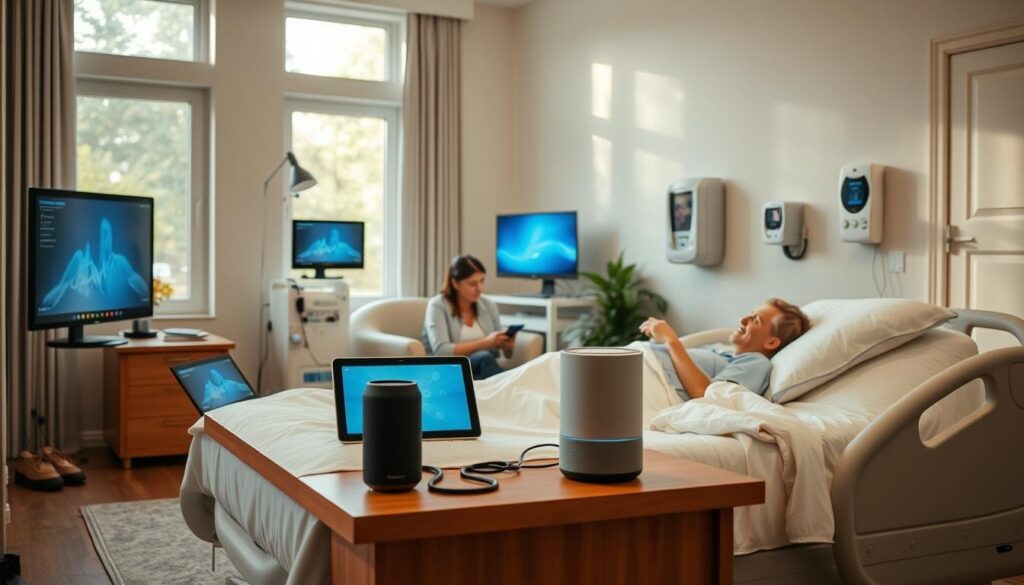
| Technology | Benefits |
|---|---|
| Telehealth Services | Remote consultations, reduced hospital visits |
| Remote Monitoring Devices | Real-time vital sign tracking |
| Medication Management Systems | Improved medication adherence |
As highlighted by a healthcare professional, “The integration of technology in home care has been a game-changer, enabling us to provide high-quality care while reducing hospitalization risks.”
“The future of home critical care lies in leveraging technology to support both patients and caregivers.”
Building a Support Network Beyond Family
Creating a robust support network beyond immediate family is crucial for caregivers managing home-based critical care. This network can provide emotional support, practical assistance, and valuable resources.
Community Resources for Home Care Families
Community resources play a vital role in supporting families who care for loved ones at home. These resources can include home health care services, adult day care programs, and various forms of assistance tailored to the needs of caregivers and their patients.
Support Groups and Peer Connections
Support groups offer a platform for caregivers to connect with others facing similar challenges. These groups can be found through online communities and local support meetings, providing a safe space to share experiences and advice.
Online Communities
Online forums and social media groups dedicated to caregiving can offer valuable connections and support. These platforms allow caregivers to ask questions, share their stories, and receive encouragement from others who understand their situation.
Local Support Meetings
In-person support meetings provide an opportunity for caregivers to meet face-to-face with others in their area. These meetings can be particularly helpful for those who prefer personal interactions or need to connect with others in their local community.
Respite Care Options
Respite care provides temporary relief for caregivers, allowing them to rest, recharge, or attend to personal matters. Options include short-term relief services and adult day programs.
Short-Term Relief Services
Short-term relief services offer temporary care for patients, giving caregivers a much-needed break. These services can be arranged through various home care agencies or respite care programs.
Adult Day Programs
Adult day programs provide a structured environment for patients during the day, offering activities, meals, and social interaction. These programs allow caregivers to continue working or take a break while knowing their loved one is being cared for.
Case Studies: Successful Family-Managed Home Care
Family-managed home care is a growing trend, with numerous success stories across diverse care situations. This approach not only improves patient outcomes but also enhances the overall quality of life for both patients and their families.
Real-Life Examples from Diverse Situations
Successful family-managed home care encompasses a wide range of scenarios, from pediatric critical care to elder care. These cases highlight the adaptability and resilience of families in managing complex care needs at home.
Pediatric Critical Care at Home
Caring for critically ill children at home requires specialized skills and dedication. Families who undertake this responsibility often report a more stable and comforting environment for their children, leading to better health outcomes.
Elder Care Success Stories
Elderly patients with chronic conditions benefit significantly from home-based care managed by their families. These stories demonstrate how love, combined with medical expertise, can greatly improve the quality of life for seniors.
Lessons Learned from Experienced Caregivers
Experienced caregivers offer valuable insights into managing common challenges, from medication administration to recognizing emergency situations. Their stories provide practical advice for families embarking on a similar journey.
Innovative Approaches to Common Challenges
Families managing home care often develop innovative solutions to everyday challenges. These approaches, ranging from scheduling routines to leveraging technology, can significantly ease the caregiving burden and improve patient care.
Conclusion
As we’ve explored throughout this article, the family role in home-based critical care is multifaceted and crucial for successful patient outcomes. By understanding the scope of home-based critical care and the responsibilities involved, families can better navigate the caregiving journey.
Effective caregiving insights are gained through a combination of medical skills training, ongoing education, and leveraging available resources. This not only enhances the care provided but also supports the well-being of caregivers themselves.
Building a robust support network, including community resources and support groups, further empowers families to manage the challenges of home-based critical care. By embracing these elements, caregivers can ensure they are providing the highest quality care while maintaining their own resilience.
In conclusion, the integration of family involvement, professional guidance, and supportive resources is key to thriving home-based critical care environments. By continuing to develop caregiving insights and leveraging available tools, families can navigate the complexities of care with confidence.
FAQ
What is home-based critical care, and how does it differ from hospital care?
Home-based critical care refers to the provision of complex medical care to patients in the comfort of their own homes. It differs from hospital care in that it is delivered in a more personalized and comfortable environment, leveraging technology and family support to manage care.
How can family members be involved in home-based critical care?
Family members can be involved in various aspects of home-based critical care, including managing daily medical tasks, administering medication, monitoring patient status, and providing emotional support. They can also participate in training programs to acquire necessary caregiving skills.
What kind of training is available for family caregivers?
Family caregivers can access various training programs, including those that teach basic nursing procedures, equipment operation, and medication management. Certification programs, online learning platforms, and hospital-based training are available resources.
How can family caregivers manage stress and burnout?
Family caregivers can manage stress and burnout by recognizing early signs of fatigue, practicing preventative mental health strategies, and seeking support from peers, support groups, and respite care services. Creating a sustainable care schedule and distributing responsibilities among family members can also help.
What are the benefits of telehealth and remote monitoring in home-based critical care?
Telehealth and remote monitoring solutions enable timely interventions, enhance patient safety, and reduce the need for hospital visits. They allow healthcare professionals to track patient vital signs remotely and conduct virtual consultations, improving care coordination and outcomes.
How can families navigate insurance coverage for home-based critical care?
Families can navigate insurance coverage by understanding the specifics of their Medicare, Medicaid, or private insurance plans. They should review policy details regarding home care coverage, including any limitations or requirements for pre-approval.
What community resources are available to support families providing home-based critical care?
Families can access various community resources, including support groups, online forums, local non-profit organizations, and respite care services. These resources provide emotional support, practical assistance, and guidance on caregiving challenges.
How can technology support home-based critical care?
Technology, including telehealth platforms, remote monitoring devices, and digital care coordination tools, can significantly support home-based critical care. These tools enhance care delivery, improve patient outcomes, and facilitate communication among caregivers and healthcare professionals.