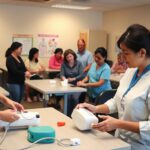
As the global population ages, the need for quality mental health care for the elderly becomes increasingly pressing. Trained attendants play a vital role in providing the necessary support and care that seniors require to lead fulfilling lives.

Trained attendants are not just caregivers; they are pivotal in delivering personalised care that addresses the unique needs of each individual. Their role in elderly mental health is multifaceted, involving emotional support, companionship, and assistance with daily tasks, thereby enhancing the overall well-being of seniors.
Key Takeaways
- Trained attendants are crucial for providing quality mental health care to the elderly.
- They offer personalised care and support tailored to individual needs.
- Their role encompasses emotional support, companionship, and daily task assistance.
- Quality care from trained attendants improves the overall well-being of seniors.
- Trained attendants are essential for addressing the unique challenges faced by the elderly.
The Growing Mental Health Crisis Among India’s Elderly Population
As India’s demographic landscape shifts, the mental health needs of its elderly citizens are increasingly coming to the fore. The country is home to a vast and growing elderly population, with significant implications for mental health support systems.
Current Statistics and Trends in Indian Demographics
India is experiencing a rapid ageing of its population, with the number of elderly individuals expected to rise significantly in the coming decades. According to recent statistics, the elderly population in India is projected to reach 194 million by 2030, constituting about 13.1% of the total population (Source: HelpAge India).
| Year | Elderly Population (in millions) | Percentage of Total Population |
|---|---|---|
| 2020 | 138 | 10.1% |
| 2030 | 194 | 13.1% |
Unique Challenges Faced by Indian Seniors
Indian seniors face a multitude of challenges, including social isolation, financial insecurity, and lack of access to healthcare services. These challenges are further compounded by cultural and societal factors, such as the breakdown of traditional family structures.
“The elderly in India are not just facing health issues; they are also dealing with emotional and psychological distress due to changing family dynamics and societal pressures.”
Urban vs Rural Elderly Care Disparities
A significant disparity exists between urban and rural areas in terms of elderly care. Rural areas often lack access to basic healthcare facilities, let alone specialized mental health services. In contrast, urban areas, while having better infrastructure, face issues such as overcrowding and high costs.
The mental health crisis among India’s elderly population necessitates a comprehensive approach that addresses these disparities and ensures equitable access to care.

Understanding Mental Health Concerns in the Elderly
As India’s elderly population grows, so does the need to understand and address their mental health concerns effectively. The elderly face a range of mental health challenges, from depression and dementia to anxiety disorders.
Common Mental Health Conditions Affecting Seniors
Mental health conditions such as depression, dementia, and anxiety are prevalent among seniors. Depression is often underdiagnosed and can be triggered by factors like loss of a spouse, chronic illness, or social isolation. Dementia, including Alzheimer’s disease, affects memory, thinking, and behavior, significantly impacting daily life.
| Mental Health Condition | Common Symptoms |
|---|---|
| Depression | Persistent sadness, loss of interest, changes in appetite or sleep |
| Dementia | Memory loss, confusion, difficulty with communication, problem-solving |
| Anxiety | Excessive worry, fear, restlessness, difficulty concentrating |
Signs and Symptoms to Watch For
Recognising the signs and symptoms of mental health conditions is crucial. For depression, look out for persistent sadness and loss of interest in activities. For dementia, memory loss and confusion are key indicators.
Cultural Perspectives on Mental Health in India
Cultural factors significantly influence how mental health is perceived in India. Traditional stigmas often surround mental illness, making it difficult for individuals to seek help.
Overcoming Traditional Stigmas
Overcoming these stigmas requires education and awareness. By promoting a supportive environment, we can encourage elderly individuals to seek the help they need without fear of judgment.

The Critical Role of Elderly Mental Health Caregiver Support
Effective caregiver support is vital for addressing the mental health needs of India’s ageing population. As the elderly population grows, so does the need for caregivers who can provide more than just basic care.
Beyond Basic Care: Emotional and Psychological Support
Caregivers play a crucial role in offering emotional and psychological support, helping seniors cope with feelings of loneliness, anxiety, and depression. By engaging in conversations and activities that stimulate the mind, caregivers can significantly improve the mental wellbeing of elderly individuals.
Building Trust and Therapeutic Relationships
Building therapeutic relationships based on trust is fundamental to effective caregiver support. When seniors feel understood and respected, they are more likely to open up about their mental health concerns, allowing caregivers to provide targeted support.
Case Studies: Successful Caregiver Interventions
Several case studies have highlighted the positive impact of caregiver interventions on elderly mental health. For instance, a caregiver who worked closely with a senior experiencing dementia was able to reduce the patient’s agitation through personalized care routines.
| Caregiver Intervention | Outcome |
|---|---|
| Personalized care routines for dementia patients | Reduced agitation and improved patient comfort |
| Regular emotional support sessions | Improved mental wellbeing and reduced feelings of loneliness |
These examples demonstrate the critical role caregivers play in supporting the mental health of India’s elderly population. By providing emotional and psychological support and building therapeutic relationships, caregivers can significantly enhance the quality of life for seniors.
Essential Qualifications for Mental Health Attendants
The importance of well-trained mental health attendants cannot be overstated in addressing India’s elderly mental health needs. As the population ages, the demand for caregivers who can provide both emotional support and practical assistance is growing.
Formal Training and Certifications Available in India
In India, various institutions offer specialised training programs for mental health attendants. These programs cover a range of topics, from basic care to managing specific mental health conditions. Certifications such as those offered by the Indian Nursing Council are highly regarded.
| Certification | Issuing Body | Focus Area |
|---|---|---|
| General Nursing and Midwifery | Indian Nursing Council | Basic Nursing Care |
| Certificate in Mental Health Care | National Institute of Mental Health and Neuro Sciences | Mental Health Support |
Soft Skills and Personal Attributes
Beyond formal qualifications, mental health attendants require certain soft skills and personal attributes. These include empathy, patience, and strong communication skills.
Cultural Competence and Sensitivity
Cultural competence is crucial in India’s diverse society. Attendants must be sensitive to the cultural backgrounds of their clients, understanding local customs and values.
How Trained Attendants Improve Quality of Life
Trained attendants play a vital role in enhancing the quality of life for elderly individuals dealing with mental health issues. Their support is multifaceted, addressing various aspects of an individual’s wellbeing.
Promoting Independence While Providing Support
One of the key roles of trained attendants is to strike a balance between providing necessary support and promoting independence among the elderly. By assisting with daily tasks without undermining the individual’s autonomy, attendants help seniors maintain their dignity and confidence. This approach not only improves mental health but also enhances overall quality of life.
Creating Structured Routines and Activities
Structured routines are crucial for individuals with mental health concerns, as they provide a sense of stability and normalcy. Trained attendants can create and implement daily schedules that include a mix of leisure activities, physical exercise, and social interactions. These structured routines help in reducing anxiety and confusion, thereby improving the individual’s mental wellbeing.
Facilitating Social Connections and Community Engagement
Social isolation is a significant concern for many elderly individuals, particularly those with mental health issues. Trained attendants can facilitate social connections by accompanying seniors to community events, encouraging participation in group activities, and helping them stay in touch with family and friends. By fostering social connections and community engagement, attendants help reduce feelings of loneliness and isolation, contributing to a better quality of life.
In conclusion, trained attendants are essential in improving the lives of elderly individuals with mental health concerns. Through promoting independence, creating structured routines, and facilitating social connections, they significantly enhance overall wellbeing.
Specialised Care Approaches for Different Mental Health Conditions
Specialised care is crucial for seniors dealing with various mental health issues, enhancing their quality of life. As the elderly population in India continues to grow, so does the need for tailored care approaches that address specific mental health conditions.
Supporting Seniors with Depression and Anxiety
Depression and anxiety are prevalent among the elderly, often triggered by factors such as loss of a spouse, chronic illness, or social isolation. Effective care strategies include creating a supportive environment, encouraging social interaction, and facilitating access to professional counselling.
Dementia and Alzheimer’s Care Strategies
Dementia and Alzheimer’s disease require specialised care approaches that focus on maintaining the individual’s dignity and quality of life. Caregivers can benefit from training in managing symptoms, creating structured routines, and using memory aids.
Managing Behavioural Issues with Dignity
Behavioural issues in seniors with mental health conditions can be challenging. Caregivers must adopt non-pharmacological interventions to manage these issues effectively.
Non-Pharmacological Interventions
- Redirecting behaviour through engagement in activities
- Using validation therapy to acknowledge the individual’s feelings
- Creating a calm environment to reduce agitation
By adopting these strategies, caregivers can significantly improve the well-being of seniors with mental health conditions.
The Family-Caregiver Partnership in Indian Households
Indian families are increasingly recognising the importance of a collaborative approach between family members and professional caregivers in managing elderly mental health.
Navigating Joint Family Dynamics
In Indian households, joint family dynamics can be both a support system and a challenge. Effective navigation of these dynamics is crucial for ensuring that elderly individuals receive comprehensive care.
The involvement of multiple family members can provide a broader support network, but it also requires careful coordination to avoid conflicts and ensure consistent caregiving.
Establishing Clear Communication Channels
Clear communication between family members and caregivers is vital for the well-being of elderly individuals. Regular updates and open dialogue help in addressing the needs and concerns of all parties involved.
Balancing Professional Care with Family Involvement
Striking the right balance between professional caregiving and family involvement is essential. While professional caregivers bring expertise, family members provide emotional support and personalised care.
| Aspect | Professional Care | Family Involvement |
|---|---|---|
| Role | Provides specialised care and support | Offers emotional support and personalised care |
| Benefits | Expertise in managing mental health conditions | Enhances emotional well-being and familial bonds |
By integrating professional care with family involvement, Indian households can create a supportive environment that addresses the mental health needs of their elderly members.
Challenges in Elderly Mental Health Care in India
India’s elderly mental health care landscape is fraught with significant obstacles. The country’s diverse demographic and socio-economic factors contribute to the complexity of providing adequate mental health support to its ageing population.
Accessibility and Affordability Issues
One of the primary challenges is the issue of accessibility and affordability. Many elderly individuals in India, particularly in rural areas, lack access to mental health services due to geographical constraints and a shortage of mental health professionals. Furthermore, the cost of mental health care can be prohibitively expensive, making it unaffordable for a significant portion of the elderly population.
Stigma and Misconceptions About Mental Health
Stigma surrounding mental health issues remains a significant barrier. Cultural misconceptions and societal attitudes often discourage elderly individuals from seeking professional help. There is a pressing need to address these misconceptions through awareness campaigns and education.
Shortage of Trained Professionals
India faces a shortage of trained mental health professionals, particularly those specialising in elderly care. This scarcity exacerbates the challenge of providing quality mental health support to the ageing population.
Government Initiatives and Policy Gaps
The Indian government has launched various initiatives aimed at improving mental health care. However, there are still significant policy gaps, particularly in terms of elderly mental health care. Strengthening these policies and ensuring their effective implementation is crucial to addressing the challenges faced in this area.
In conclusion, addressing the challenges in elderly mental health care in India requires a multi-faceted approach that includes improving accessibility and affordability, reducing stigma, increasing the number of trained professionals, and enhancing government initiatives.
Finding and Vetting Qualified Mental Health Attendants
The quest for a reliable and skilled mental health attendant is a significant concern for families caring for elderly relatives in India. Ensuring that the attendant is qualified and a good fit is crucial for the elderly individual’s wellbeing.
Key Questions to Ask During Interviews
When interviewing potential mental health attendants, it’s essential to ask the right questions to gauge their suitability. Some key inquiries include:
- What experience do you have in caring for elderly individuals with mental health conditions?
- Can you describe your approach to supporting individuals with specific needs?
- How would you handle emergency situations or challenging behaviors?
Red Flags to Watch For
During the vetting process, there are several red flags to be aware of, including:
- Lack of formal training or certification in mental health care.
- Inability to provide references or previous employment details.
- Evasive or unclear responses to questions about their care approach.
Reputable Agencies and Resources in Major Indian Cities
Families can also seek assistance from reputable agencies that specialize in providing mental health attendants. Some notable organizations operate in major Indian cities, offering a range of services.
| City | Agency Name | Services Offered |
|---|---|---|
| Delhi | MindCare Services | Trained attendants, counseling, therapy sessions |
| Mumbai | Elderly Care Solutions | Personalized care, medical assistance, companionship |
| Bengaluru | SilverAge Care | Specialized dementia care, daily living assistance |
Cost Considerations and Financial Planning
The cost of hiring a mental health attendant can vary significantly based on factors such as location, level of care required, and agency fees. Families should consider these costs when planning for elderly care.
How Can Preventing Falls Contribute to the Mental Health of Seniors Supported by Trained Attendants?
Implementing effective fall prevention strategies is crucial for enhancing the mental health of seniors. Reducing the fear of falling fosters confidence and independence, allowing them to engage more actively in daily activities. Trained attendants play a vital role in reinforcing these strategies, ultimately promoting a sense of security and well-being.
Technology and Innovations in Elderly Mental Health Support
The integration of technology in elderly mental health support has revolutionised care practices in India. With the growing elderly population, there’s an increasing need for innovative solutions to provide effective mental health care.
Digital Tools for Monitoring and Care
Digital tools are being increasingly used to monitor the mental health of the elderly. These tools include wearable devices that track physical activity and vital signs, as well as mobile apps that help monitor mood and cognitive function. Such tools enable caregivers to provide more personalised care and intervene early if they notice any decline in mental health.
Telehealth Options Available in India
Telehealth has emerged as a vital component in elderly mental health care. It allows seniors to consult with mental health professionals from the comfort of their homes, reducing the need for travel and increasing access to care. Various telehealth platforms are now available in India, offering services such as video consultations and online therapy sessions.
Training Platforms for Caregivers
Training platforms are being developed to equip caregivers with the necessary skills to support elderly mental health. These platforms offer online courses and resources on topics such as dementia care, managing behavioural issues, and providing emotional support. By enhancing caregiver capabilities, these platforms contribute to better mental health outcomes for the elderly.
Adapting Technology for Elderly-Friendly Use
For technology to be effective in supporting elderly mental health, it must be adapted to be elderly-friendly. This involves designing interfaces that are simple and intuitive, with features such as large font sizes and voice commands. Ensuring that technology is accessible to the elderly is crucial for its successful adoption in this demographic.
Conclusion: Investing in Quality Care for Elderly Mental Wellbeing
Investing in quality care for elderly mental wellbeing is crucial in addressing the growing mental health crisis among India’s elderly population. As discussed, trained attendants play a vital role in providing emotional and psychological support, while family-caregiver partnerships are essential in ensuring comprehensive care.
The use of technology, such as digital tools and telehealth options, can also enhance the quality of care provided. By promoting independence, creating structured routines, and facilitating social connections, we can significantly improve the mental wellbeing of elderly individuals.
It is essential to address the challenges faced in elderly mental health care, including accessibility and affordability issues, stigma, and the shortage of trained professionals. By doing so, we can ensure that elderly individuals receive the quality care they deserve.
Investing in quality care for elderly mental wellbeing is not only a moral imperative but also a sound economic strategy. By prioritizing elderly mental health, we can reduce healthcare costs and improve the overall quality of life for elderly individuals.
FAQ
What qualifications do mental health attendants need to care for the elderly in India?
Mental health attendants caring for the elderly in India typically require formal training and certifications in elderly care, such as a diploma in geriatric care or a certification in dementia care. Additionally, soft skills like empathy, patience, and communication are crucial.
How can families in India find qualified mental health attendants for their elderly loved ones?
Families can find qualified mental health attendants by contacting reputable agencies specialising in elderly care, checking online reviews, and asking for referrals from healthcare professionals. It’s also essential to conduct thorough interviews and background checks.
What are some common mental health conditions affecting the elderly in India?
Common mental health conditions affecting the elderly in India include depression, anxiety, dementia, and Alzheimer’s disease. These conditions can be triggered or exacerbated by factors like social isolation, chronic illness, and cognitive decline.
How can trained attendants improve the quality of life for elderly individuals with mental health concerns?
Trained attendants can improve the quality of life for elderly individuals by providing emotional and psychological support, promoting independence, creating structured routines and activities, and facilitating social connections and community engagement.
What role does technology play in supporting elderly mental health in India?
Technology plays a significant role in supporting elderly mental health in India by providing digital tools for monitoring and care, telehealth options, and training platforms for caregivers. Adapting technology for elderly-friendly use is crucial to ensure that seniors can benefit from these advancements.
How can families balance professional care with family involvement in elderly mental health care?
Families can balance professional care with family involvement by establishing clear communication channels with caregivers, being involved in care planning, and providing emotional support to their elderly loved ones. This collaborative approach ensures comprehensive support for elderly individuals.
What are some challenges faced in providing elderly mental health care in India?
Challenges in providing elderly mental health care in India include issues of accessibility and affordability, stigma and misconceptions about mental health, and a shortage of trained professionals. Government initiatives and policy gaps also need to be addressed.
How can caregivers support seniors with dementia and Alzheimer’s disease?
Caregivers can support seniors with dementia and Alzheimer’s disease by using person-centred care approaches, creating a supportive environment, and employing non-pharmacological interventions to manage behavioural issues. Caregivers should also receive training and support to manage the unique challenges associated with these conditions.