A healthy gut is the foundation of overall wellbeing, playing a crucial role in both our mood and immune system. Research has shown that the gut microbiome influences our mental health and ability to fight off infections. At Life100 Health Care Chennai, the importance of gut health is recognised as a key factor in maintaining a balanced lifestyle.
By understanding the intricate relationship between our gut, mood, and immune function, we can take simple yet effective steps to boost our immune system and enhance our overall health. This involves making informed choices about our diet, lifestyle, and stress management.
Key Takeaways
- Maintaining a healthy gut is vital for both mood and immunity.
- A balanced diet and lifestyle can significantly impact gut health.
- Simple steps can be taken to boost the immune system.
- Stress management plays a crucial role in gut health.
- Life100 Health Care Chennai offers guidance on achieving optimal gut health.
The Gut-Immune Connection: Understanding Your Body’s First Line of Defence
A healthy gut microbiome is fundamental to enhancing immune health and overall bodily functions. The gut and immune system are intricately linked, with the gut playing a pivotal role in the development and functioning of the immune system. For those seeking expert advice on gut health, consulting with a healthcare professional, such as those at Life100 Health Care in Chennai, can provide personalised guidance.
How Your Gut Microbiome Affects Immunity
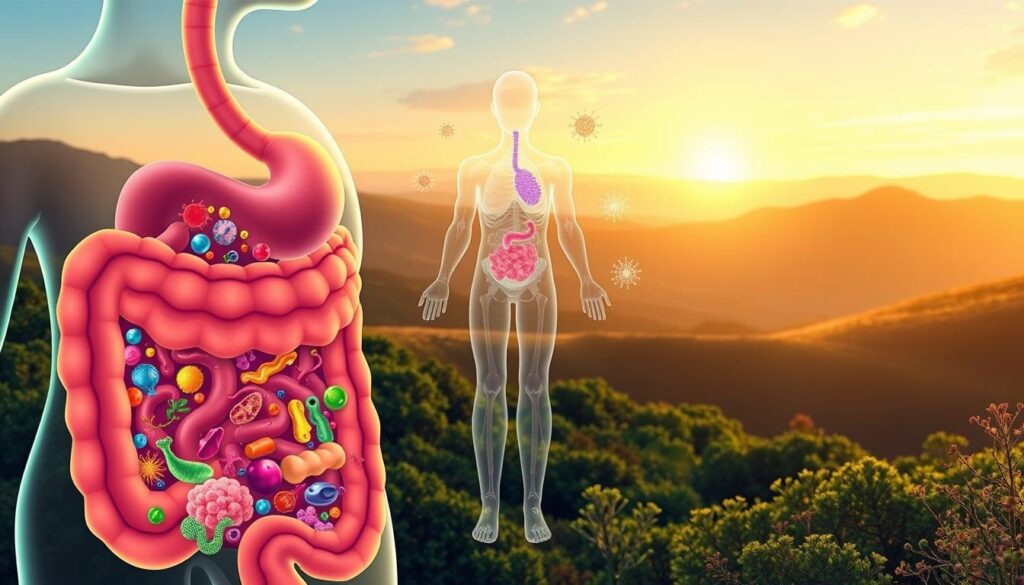
The gut microbiome is composed of trillions of microorganisms that live in the gastrointestinal tract. These microbes play a crucial role in strengthening the immune system by aiding in the production of antibodies and activating immune cells such as macrophages and T-cells. A balanced gut microbiome ensures that the immune system can differentiate between harmful pathogens and benign substances, thereby preventing autoimmune diseases and enhancing overall immunity.
The Science Behind Gut-Brain-Immune Axis
The gut-brain-immune axis refers to the bidirectional communication network between the gut microbiome, the central nervous system, and the immune system. This complex interaction is mediated through various pathways, including the vagus nerve and the release of neurotransmitters and hormones. Understanding this axis is crucial for appreciating how gut health influences not only immunity but also mental wellbeing and overall health.
Signs Your Gut Health May Be Compromised
Recognising the signs of poor gut health is the first step towards taking corrective action. Your gut plays a vital role in your overall wellbeing, influencing everything from digestion to mood. If your gut health is compromised, it can manifest in various ways, some of which may surprise you.
Digestive Symptoms to Watch For
Digestive issues are often the most immediate indicators of poor gut health. Symptoms such as bloating, abdominal pain, and irregular bowel movements can signal an imbalance in your gut microbiome. If you’re experiencing persistent discomfort after eating, it may be worth exploring natural ways to boost immunity and improve your gut health.
Non-Digestive Signs of Poor Gut Health
Beyond digestive issues, poor gut health can also manifest in non-digestive ways. Fatigue, skin problems, and mood swings can all be linked to an unhealthy gut. Incorporating immune boosting foods into your diet can help alleviate some of these symptoms.
When to Seek Professional Help
If you’re experiencing persistent or severe symptoms, it’s essential to seek professional help. A healthcare provider can offer personalised advice and treatment. For expert guidance, consider consulting a professional at Life100 Health Care in Chennai.
The Gut-Mood Connection: How Digestive Health Influences Mental Wellbeing
There’s a growing body of evidence that suggests our digestive health plays a crucial role in our mental wellbeing. The gut and the brain are intricately connected through the gut-brain axis, a complex network that enables bidirectional communication between the central nervous system and the enteric nervous system of the gut.
Serotonin Production in the Gut
A significant portion of the body’s serotonin, a neurotransmitter that regulates mood, is produced in the gut. Serotonin production is influenced by the gut microbiome, and an imbalance in gut bacteria can affect mood and mental health. Ensuring a healthy gut microbiome through diet and lifestyle choices can support mental wellbeing.
How Gut Inflammation Affects Brain Function
Gut inflammation can have a profound impact on brain function and mental health. Inflammation in the gut can lead to increased permeability of the gut barrier, allowing toxins to enter the bloodstream and potentially affecting the brain. This can lead to symptoms of anxiety, depression, and other mental health disorders.
Stress and Its Impact on Digestive Health
Stress has a significant impact on digestive health, often exacerbating conditions like irritable bowel syndrome (IBS).
“Stress can alter the gut microbiota, leading to changes in the way the gut functions and potentially affecting mental health.”
Managing stress through techniques like meditation, yoga, or deep breathing exercises can help support both gut health and mental wellbeing.
For personalised guidance on improving your gut health and supporting your immune system, consider consulting healthcare professionals like those at Life100 Health Care in Chennai.
7 Powerful Ways to Improve Immunity Naturally Through Gut Health
Improving immunity through gut health is a multifaceted approach that involves dietary changes, lifestyle modifications, and stress management. By focusing on these key areas, you can significantly enhance your body’s natural defences.
Dietary Changes for Optimal Gut Function
A well-balanced diet is crucial for maintaining a healthy gut microbiome. This involves consuming a variety of foods rich in fibre, vitamins, and minerals.
Balancing Your Plate for Gut Health
Including a mix of fruits, vegetables, whole grains, and lean proteins in your meals can help support gut health. Foods high in fibre such as legumes, berries, and leafy greens are particularly beneficial as they provide prebiotics that feed beneficial bacteria.
Timing of Meals and Gut Rhythm
Eating at consistent times can help regulate your gut rhythm, improving digestion and absorption of nutrients. It’s also advisable to avoid heavy meals close to bedtime to ensure a restful night’s sleep.
Lifestyle Modifications to Support Gut Health
In addition to dietary changes, certain lifestyle adjustments can significantly impact gut health. Regular physical activity, for instance, has been shown to enhance gut motility and improve the diversity of gut microbiota.
Adequate hydration is also essential, as it helps prevent constipation and maintains the integrity of the gut lining. For those looking for professional guidance, consider reaching out to experts like Life100 Health Care in Chennai.
Stress Management Techniques for Gut-Immune Balance
Stress can have a profound impact on gut health, often leading to imbalances in the gut microbiome. Practising stress-reducing techniques such as meditation, yoga, or deep breathing exercises can help mitigate this effect.
By incorporating these strategies into your daily routine, you can improve your gut health and, in turn, enhance your immunity naturally. For more information on immunity enhancing remedies and personalised health plans, consider consulting healthcare professionals.
Superfoods for Gut Health: Building Your Immune-Boosting Diet
Superfoods rich in probiotics, prebiotics, and anti-inflammatory compounds are essential for maintaining a healthy gut and boosting immunity. Incorporating these foods into your daily diet can significantly enhance your overall wellbeing.
Probiotic-Rich Foods to Include Daily
Probiotics are live bacteria and yeasts that are beneficial for your gut health. Consuming probiotic-rich foods daily can help maintain a healthy balance of gut bacteria. Some of the best probiotic-rich foods include yoghurt, kefir, sauerkraut, kimchi, and miso. These foods can be easily incorporated into your meals to support gut health.
For instance, starting your day with a bowl of yoghurt topped with fruits and nuts can be a delicious way to include probiotics in your diet. Similarly, adding sauerkraut or kimchi to your salads or sandwiches can provide a probiotic boost.
Top Probiotic-Rich Foods:
- Yoghurt
- Kefir
- Sauerkraut
- Kimchi
- Miso
Prebiotic Foods That Feed Beneficial Bacteria
Prebiotics are non-digestible parts of food that help feed beneficial bacteria in the gut, promoting a healthy gut microbiome. Foods rich in prebiotics include asparagus, bananas, onions, garlic, and whole wheat bread. Including these foods in your diet can help support the growth of beneficial bacteria.
A simple way to incorporate prebiotics into your diet is by adding sliced bananas to your breakfast cereal or oatmeal. You can also sauté garlic and onions as a base for your meals to enhance flavour and prebiotic intake.
| Prebiotic Food | Benefit |
|---|---|
| Asparagus | Rich in inulin, supporting beneficial bacteria |
| Bananas | High in fructooligosaccharides, promoting gut health |
| Onions | Contain fructans, feeding good bacteria |
Anti-Inflammatory Foods for Gut Lining Support
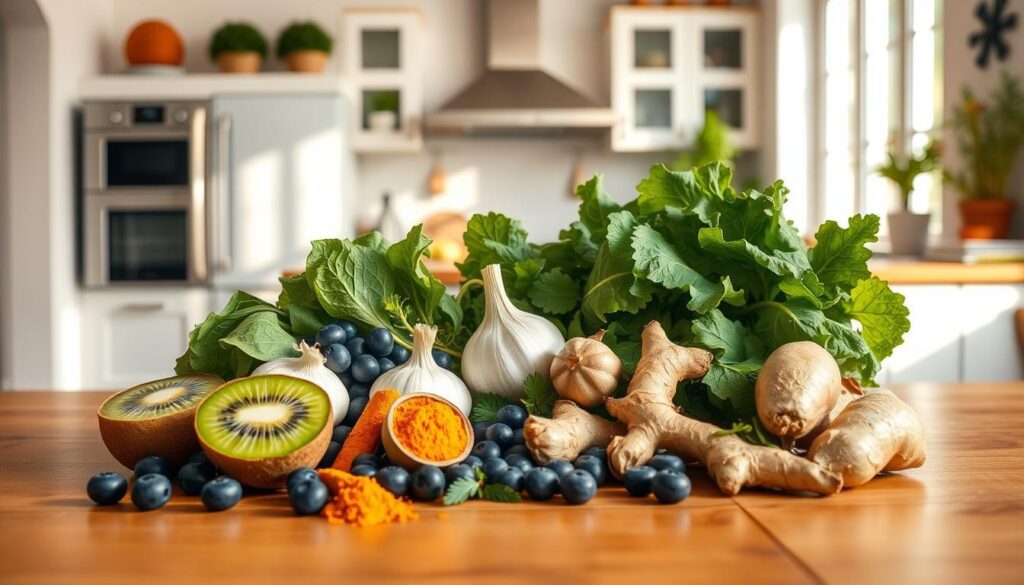
Anti-inflammatory foods can help support the gut lining and reduce inflammation in the body. Foods such as turmeric, ginger, and fatty fish are known for their anti-inflammatory properties. Incorporating these foods into your diet can help maintain a healthy gut lining and support overall gut health.
For example, adding turmeric to your soups or curries can provide anti-inflammatory benefits. Similarly, consuming ginger tea or adding ginger to your stir-fries can help soothe the gut.
“The food you eat can either be the safest and most powerful form of medicine, or the slowest form of poison.” – Ann Wigmore
For more information on maintaining a healthy gut and boosting your immune system, you can contact Life100 Health Care in Chennai.
The Role of Fermented Foods in Strengthening Your Immune System
The incorporation of fermented foods into one’s diet can significantly enhance immune health by promoting a balanced gut microbiome. Fermented foods are rich in beneficial bacteria, which play a crucial role in supporting immune function. For those looking to boost immunity naturally, incorporating fermented foods into daily meals is a simple yet effective strategy.
Traditional Indian Fermented Foods
Indian cuisine offers a variety of traditional fermented foods that are not only delicious but also packed with health benefits. Foods like idli and dosa, made from fermented rice and lentil batter, are staples in many South Indian households. Other examples include kanji, a fermented drink made from carrots or beetroots, and appam batter, which is fermented to give it a unique flavor and texture.
| Fermented Food | Main Ingredients | Health Benefits |
|---|---|---|
| Idli/Dosa Batter | Rice, Lentils | Rich in Probiotics, Aids Digestion |
| Kanji | Carrots/Beetroots, Water | Boosts Immunity, Rich in Vitamins |
| Appam Batter | Rice, Coconut Milk | Supports Gut Health, Rich in Probiotics |
How to Incorporate Fermentation into Your Daily Diet
Incorporating fermented foods into your diet is easier than you think. Start by substituting regular foods with their fermented counterparts. For example, choose fermented rice or fermented lentils when cooking. You can also try making fermented vegetables like sauerkraut or kimchi at home. These foods can be added to salads, sandwiches, or served as a side dish. For a natural way to boost immunity, consider drinking kanji or other fermented beverages regularly.
Making Your Own Fermented Foods at Home
Making fermented foods at home is a fun and rewarding process. To start, you’ll need a few basic ingredients like salt, water, and the food you wish to ferment. For instance, to make sauerkraut, simply shred cabbage, mix it with salt, and let it ferment in a jar. For those interested in exploring more, Life100 Health Care Chennai offers workshops and resources on home fermentation techniques.
By embracing fermented foods, you’re not only enhancing your immune health but also connecting with a rich culinary tradition that promotes wellbeing. For more information on improving your gut health and immunity, consider reaching out to health care professionals who specialize in nutritional guidance.
Harmful Habits That Damage Gut Health and Weaken Immunity
A healthy gut is the cornerstone of a robust immune system. When our gut microbiome is out of balance, it can lead to a weakened immune response, making us more susceptible to illnesses. Understanding the harmful habits that damage gut health is crucial for maintaining a strong immune system.
Dietary Factors That Harm Gut Microbiome
Certain dietary choices can significantly harm our gut microbiome. Consuming high amounts of processed foods, sugars, and saturated fats can disrupt the balance of beneficial bacteria in our gut. Avoiding these harmful dietary factors is essential to support immune system function. For instance, a diet high in fibre can help promote the growth of beneficial bacteria.
| Harmful Foods | Beneficial Alternatives |
|---|---|
| Processed Foods | Whole Foods |
| Sugary Drinks | Herbal Teas |
| Saturated Fats | Healthy Fats (e.g., Avocado, Nuts) |
Medications That Affect Gut Health
Certain medications, such as antibiotics and proton pump inhibitors, can adversely affect our gut health. While these medications are sometimes necessary, their prolonged use can lead to an imbalance in our gut microbiome. It’s essential to discuss alternative options with your healthcare provider to strengthen immune system naturally.
Lifestyle Practices to Avoid
Besides dietary factors and medications, certain lifestyle practices can also harm our gut health. Chronic stress, lack of sleep, and a sedentary lifestyle can all negatively impact our gut microbiome. Engaging in stress-reducing activities, such as yoga or meditation, and incorporating regular physical activity can help mitigate these effects and support immune system function.
For personalised guidance on improving gut health and immunity, consider consulting with healthcare professionals, such as those at Life100 Health Care Chennai.
Ayurvedic and Traditional Indian Approaches to Gut Health
The ancient practice of Ayurveda offers a holistic approach to gut health. For centuries, Ayurvedic principles have guided individuals in maintaining a healthy gut, which is crucial for overall wellbeing and immunity.
Ancient Wisdom for Modern Gut Problems
Ayurvedic medicine views the gut as a central component of overall health, emphasizing the importance of a balanced diet and lifestyle. By understanding an individual’s constitution and the nature of their gut imbalances, Ayurvedic practitioners can recommend personalized treatments.
Herbs and Spices for Digestive Health
Ayurveda utilizes a variety of herbs and spices to promote digestive health. These natural remedies have been used for centuries to enhance gut function and boost immunity.
Turmeric and Ginger: The Golden Duo
Turmeric and ginger are renowned for their anti-inflammatory properties. Together, they form a potent combination that can help soothe the gut and enhance immune function.
Lesser-Known Ayurvedic Herbs for Gut Support
Other lesser-known herbs like triphala and kutki are also beneficial for gut health. Triphala, a blend of three fruits, is known for its gentle laxative properties, while kutki is used to support liver health and digestion.
| Herb/Spice | Benefits for Gut Health |
|---|---|
| Turmeric | Anti-inflammatory, antioxidant properties |
| Ginger | Aids digestion, anti-inflammatory effects |
| Triphala | Gentle laxative, promotes digestive balance |
Integrating Traditional Practices with Modern Science
By combining Ayurvedic principles with modern scientific understanding, individuals can develop a comprehensive approach to gut health. For those seeking professional guidance, contacting a healthcare provider like Life100 Health Care in Chennai can be a valuable step towards achieving optimal gut health and immunity.
Conclusion: Your Personalised Gut Health Blueprint for Lasting Immunity
By now, it’s clear that a healthy gut is crucial for a strong immune system and overall wellbeing. To boost your immune system, focus on making dietary changes, incorporating superfoods, and managing stress. These simple yet effective steps can significantly enhance your immune health.
Start by including probiotic-rich foods like yoghurt and kefir in your diet, alongside prebiotic foods such as asparagus and bananas. Fermented foods like kimchi and sauerkraut can also play a vital role in supporting your gut microbiome. Limiting harmful habits, such as excessive sugar consumption and antibiotic overuse, is equally important.
For a personalised approach to gut health, consider consulting with healthcare professionals at Life100 Health Care Chennai. They can help tailor a plan that suits your specific needs, ensuring you achieve lasting immunity and overall health.
FAQ
What are some natural ways to boost immunity?
Incorporating immune-boosting foods, such as probiotic-rich foods like yoghurt and kefir, and prebiotic foods like asparagus and bananas, into your diet can help enhance immune health. Additionally, managing stress through techniques like meditation and deep breathing can also support immune function.
How does gut health affect immunity?
The gut microbiome plays a crucial role in immune system function, with a significant portion of immune cells residing in the gut. Maintaining a balanced gut microbiome through a healthy diet and lifestyle is essential for optimal immune function.
What are some common signs of compromised gut health?
Digestive symptoms like bloating, abdominal pain, and changes in bowel movements can indicate poor gut health. Non-digestive signs, such as fatigue, skin issues, and mood disturbances, can also be related to gut health.
How can I incorporate fermented foods into my diet?
Fermented foods like sauerkraut, kimchi, and dosa can be easily incorporated into your diet. Start by adding small amounts to your meals and gradually increase the quantity as you become accustomed to the taste and texture.
What are some Ayurvedic herbs that can support gut health?
Herbs like turmeric, ginger, and triphala have been traditionally used in Ayurvedic medicine to support digestive health. These herbs can be consumed in various forms, including teas, powders, and capsules.
How can I manage stress to support gut health?
Stress management techniques like yoga, meditation, and deep breathing can help mitigate the negative impact of stress on gut health. Regular exercise and adequate sleep are also essential for maintaining a healthy gut.
What dietary changes can I make to support gut health?
Eating a balanced diet rich in fibre, fruits, and vegetables can help support gut health. Avoiding processed and high-sugar foods can also help maintain a healthy gut microbiome.
Can certain medications affect gut health?
Yes, certain medications, such as antibiotics and proton pump inhibitors, can disrupt the balance of the gut microbiome. It’s essential to discuss the potential risks and benefits of any medication with your healthcare provider.