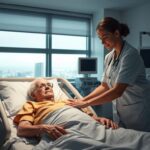
After surgery, older adults often face significant challenges in regaining their strength and mobility. It’s estimated that nearly 40% of individuals over 65 undergo surgery each year, and proper rehabilitation is crucial for their recovery.
Effective rehabilitation not only helps in healing but also in preventing future complications. Senior physiotherapy exercises play a vital role in this process, aiding in regaining mobility, reducing pain, and improving overall health.
For those seeking support, contacting Life100 can provide the necessary guidance and care for a smooth recovery.
Key Takeaways
- Physiotherapy is crucial for seniors after surgery to regain strength and mobility.
- Proper rehabilitation can prevent future health complications.
- Senior physiotherapy exercises aid in reducing pain and improving overall health.
- Effective physiotherapy can significantly enhance the quality of life post-surgery.
- Support from professionals like Life100 can guide seniors through their recovery journey.
Understanding Post-Surgery Recovery for Seniors
Post-surgery recovery for seniors is a critical period that requires careful management and tailored rehabilitation strategies. As individuals age, their bodies undergo various changes that can impact the recovery process.
Why Physiotherapy Is Crucial After Surgery
Physiotherapy plays a vital role in post-surgery recovery, especially for seniors. It helps in regaining strength, improving mobility, and reducing the risk of complications. Elderly physio exercises are designed to meet the specific needs of older adults, focusing on gentle and progressive movements.

How Age Affects Recovery Process
Age significantly influences the recovery process. Older adults may experience decreased muscle mass, reduced bone density, and less flexibility, making recovery more challenging. Understanding these changes is essential for creating effective exercises for older adults.
Setting Realistic Recovery Goals
Setting realistic recovery goals is crucial for successful rehabilitation. This involves understanding the individual’s current health status, capabilities, and limitations. Senior fitness routines should be tailored to meet these goals, ensuring a gradual and safe progression.
| Recovery Aspect | Considerations for Seniors |
|---|---|
| Physiotherapy | Gentle exercises, progressive movements |
| Age-Related Changes | Decreased muscle mass, reduced bone density |
| Recovery Goals | Tailored to individual health status and capabilities |
For personalized guidance and support, consider consulting professionals like those at Life100, who specialize in helping seniors navigate post-surgery recovery. Contact Life100 for Help and Support.
The Science Behind Physiotherapy for Elderly Patients
The effectiveness of physiotherapy for elderly patients is backed by a growing body of scientific evidence. Physiotherapy is not just a supportive measure; it’s a crucial component of the recovery process that can significantly impact the outcome for seniors.
How Physiotherapy Accelerates Healing
Physiotherapy accelerates healing by enhancing blood circulation, reducing swelling, and promoting the repair of tissues. For elderly patients, this can mean a faster return to their normal activities and a reduced risk of complications.
Physiological Benefits for Older Adults
Older adults benefit physiologically from tailored exercise programs that improve cardiovascular health, increase strength, and enhance flexibility. A senior workout plan designed by a physiotherapist can address specific needs and limitations.

Evidence-Based Approaches for Seniors
Evidence-based physiotherapy approaches for seniors include a range of techniques and exercises proven to be effective. For instance, a geriatric exercise program might incorporate balance training, strength building, and flexibility exercises to improve overall mobility and reduce the risk of falls.
For those seeking professional guidance, contacting a service like Life100 can provide access to specialised physiotherapy tailored to the needs of elderly patients. Their expertise can be invaluable in creating a safe and effective physiotherapy for the elderly program.
| Benefits | Description |
|---|---|
| Improved Circulation | Enhances healing by promoting blood flow |
| Increased Strength | Supports mobility and reduces the risk of falls |
| Enhanced Flexibility | Improves range of motion and reduces stiffness |
“Physiotherapy is a cornerstone of recovery for elderly patients, offering a pathway to regaining independence and improving quality of life.”
Expert Opinion
Pre-Exercise Preparations and Safety Guidelines
Pre-exercise preparations are vital for ensuring safety during senior mobility exercises. Before commencing any physiotherapy routine, it’s essential to take certain precautions to avoid complications.
Consulting with Healthcare Providers
It’s crucial for seniors to consult with their healthcare providers before starting any new exercise regimen. This ensures that the exercises are suitable for their specific health conditions and abilities.
Creating a Safe Exercise Environment
Creating a safe environment is key to preventing falls and injuries. Remove any tripping hazards, ensure good lighting, and have a clear space for exercising.
Essential Equipment for Home Exercises
Having the right equipment can enhance the safety and effectiveness of elderly physio exercises. Essential items may include a sturdy chair for support, resistance bands, and a non-slip mat.
For personalised guidance and support, consider contacting professionals like Life100, who specialise in helping seniors with their recovery and physiotherapy needs.
Best Physiotherapy Exercises for Seniors After Surgery
Physiotherapy plays a crucial role in the post-surgery recovery of seniors, with specific exercises designed to enhance their healing process. After surgery, it’s essential for seniors to engage in gentle yet effective physiotherapy exercises to regain their strength and mobility.
Gentle Range of Motion Activities
Gentle range of motion activities are vital for seniors after surgery as they help maintain flexibility and prevent stiffness. Simple exercises like arm circles, leg swings, and gentle neck stretches can be performed daily. These activities not only improve mobility but also enhance blood circulation, which is crucial for healing.
Strength-Building Techniques
Strength-building techniques are another critical component of post-surgery physiotherapy for seniors. Exercises such as squats, leg presses, and light weight training can help restore muscle strength. It’s essential to start with low resistance and gradually increase the intensity as the senior progresses in their recovery.
Flexibility and Stretching Routines
Flexibility and stretching routines are also beneficial for seniors recovering from surgery. Gentle stretching exercises can improve flexibility and reduce the risk of injury. Seniors should focus on static stretches that are held for a few seconds to enhance their range of motion.
Adapting Intensity for Different Recovery Stages
It’s crucial to adapt the intensity of physiotherapy exercises according to the senior’s recovery stage. Initially, exercises should be gentle and gradually increased in intensity as the senior’s condition improves. Consulting with healthcare providers is essential to tailor the exercises to the individual’s recovery needs.
For personalised guidance and support, seniors and their caregivers can contact Life100 for professional physiotherapy services tailored to their specific needs.
Recovery Exercises Following Hip Replacement Surgery
For seniors who have undergone hip replacement surgery, a well-structured physiotherapy program is crucial for regaining mobility. The initial phase of recovery involves gentle exercises that can be performed from the comfort of the bed.
Bed-Based Initial Movements
Initial exercises focus on maintaining flexibility and strengthening the surrounding muscles without putting excessive strain on the new hip. These include:
- Ankle pumps: Gently pumping the ankles up and down to improve circulation.
- Static quadriceps: Tightening the thigh muscles without moving the knee.
- Hip flexion: Slowly lifting the knee towards the chest while lying on the back.
Standing and Walking Progressions
As the patient progresses, standing and walking exercises become integral to the rehabilitation program. These exercises help in regaining balance and strengthening the hip muscles further.
| Exercise | Description | Benefit |
|---|---|---|
| Standing on both legs | Stand with feet shoulder-width apart, holding onto a stable object for support. | Improves balance and stability. |
| Walking with assistance | Walk slowly with the help of a walker or crutches. | Enhances mobility and strengthens hip muscles. |
Precautions and Movements to Avoid
It’s equally important to be aware of movements that could jeopardize the recovery process. Patients should avoid:
- Bending at the hips beyond 90 degrees.
- Twisting the leg inward or outward.
- Crossing the legs or ankles.
For personalised guidance and support, consider consulting with professionals like Life100, who specialise in elderly physio exercises and can provide tailored advice for a safe and effective recovery.
Knee Surgery Rehabilitation Exercises
Seniors recovering from knee surgery need a tailored physiotherapy regimen to regain strength and mobility. A well-structured senior workout plan is crucial for effective recovery, focusing on exercises that enhance flexibility, strength, and overall knee function.
Restoring Range of Motion
Restoring the range of motion is a primary goal in the initial stages of knee surgery rehabilitation. Gentle exercises such as straightening and bending the knee are essential. Physiotherapy for the elderly often includes these simple yet effective movements to prevent stiffness and improve knee mobility.
Strengthening Supporting Muscles
Strengthening the muscles around the knee is vital for supporting the joint and enhancing stability. Exercises such as quadriceps sets and straight leg raises are commonly recommended. Incorporating these into a senior physiotherapy exercises routine can significantly improve knee strength and function.
Gait Training and Walking Aids
Gait training is an essential component of rehabilitation, helping patients to walk safely and confidently. The use of walking aids like canes or walkers may be necessary initially. As patients progress, they can gradually move towards unaided walking, regaining their independence.
For personalised guidance and support, consider consulting professionals like those at Life100, who specialise in providing tailored physiotherapy services. Contact them for help and support in creating a rehabilitation plan that suits your needs.
Physiotherapy After Cardiac Procedures
Physiotherapy plays a crucial role in the recovery of elderly patients after cardiac procedures. It is designed to help patients regain their strength, improve cardiovascular health, and return to their normal activities safely. A well-structured physiotherapy programme can significantly enhance the recovery process.
Safe Cardiovascular Conditioning
Safe cardiovascular conditioning is a cornerstone of physiotherapy after cardiac procedures. This involves gentle aerobic exercises that are tailored to the patient’s current health status and fitness level. Exercises such as walking, cycling, or swimming are often recommended as they are low-impact and can be modified to suit individual needs.
Monitoring Vital Signs During Exercise
Monitoring vital signs during exercise is crucial to ensure the safety and effectiveness of the physiotherapy programme. Healthcare professionals will closely monitor the patient’s heart rate, blood pressure, and oxygen saturation levels during exercise sessions. This allows for the early detection of any potential issues and the adjustment of the exercise intensity as needed.
Gradually Increasing Endurance
Gradually increasing endurance is a key aspect of post-cardiac surgery physiotherapy. Patients are encouraged to start with short, manageable sessions and gradually increase the duration and intensity over time. This progressive approach helps to improve cardiovascular fitness without overexerting the patient.
For those requiring professional guidance, contacting a specialized physiotherapy service like Life100 can provide the necessary support and expertise to navigate the recovery process effectively.
Balance and Mobility Exercises for Comprehensive Recovery
Balance and mobility exercises play a vital role in ensuring seniors can regain their independence after surgery. These exercises are designed to enhance overall physical function, reduce the risk of falls, and improve quality of life.
Preventing Falls During Recovery
Falls are a significant risk during post-surgery recovery, particularly for seniors. Balance exercises can help mitigate this risk by improving stability and coordination. Simple activities like standing on one foot or using a balance board can be highly effective.
Seated Balance Activities
For those who are just beginning their recovery journey or have mobility issues, seated balance activities are an excellent starting point. These can include seated marching, leg lifts, or simply maintaining balance while seated without support.
Progressive Standing Exercises
As strength and confidence improve, seniors can progress to standing exercises. This includes standing with support, gradually reducing reliance on aids, and eventually practicing standing on different surfaces or performing tasks while standing.
For personalised guidance and support, consider reaching out to professionals like Life100, who specialise in senior care programmes. They can provide tailored advice and assistance to ensure a safe and effective recovery.
Pain Management Through Therapeutic Movements
Therapeutic exercises are a cornerstone in managing post-surgery pain, especially for the elderly population. Effective pain management is crucial for a smooth and speedy recovery. Physiotherapy plays a vital role in this aspect by incorporating gentle and safe exercises tailored to the needs of seniors.
Gentle Stretching for Pain Relief
Gentle stretching exercises are particularly beneficial for seniors as they help improve flexibility and reduce stiffness. These exercises should be performed under the guidance of a physiotherapist to ensure they are done correctly and safely. Gentle stretching can significantly alleviate pain and discomfort, making it easier for seniors to recover.
Understanding Good Pain vs. Bad Pain
It’s essential to differentiate between good pain and bad pain during the recovery process. Good pain is typically associated with the stretching and strengthening of muscles, which is a necessary part of healing. On the other hand, bad pain is sharp or intense and can be a sign of overexertion or incorrect exercise technique. Understanding this difference helps seniors and their caregivers manage pain more effectively.
Complementary Techniques for Discomfort
In addition to therapeutic exercises, several complementary techniques can help manage discomfort. These include breathing exercises, relaxation techniques, and heat or cold therapy. Such methods can be used in conjunction with physiotherapy to enhance pain relief and overall well-being. For personalised guidance and support, consider reaching out to professionals like Life100, who specialise in senior care programmes.
By incorporating these therapeutic movements and techniques into their recovery routine, seniors can experience significant improvements in pain management and overall recovery.
Mental Health Aspects of Physical Recovery
Recovery from surgery isn’t just about physical healing; mental well-being plays a crucial role, especially in seniors. As individuals age, the challenges of recovery can be compounded by mental health issues such as depression.
Combating Post-Surgery Depression
Depression is a common issue after surgery, particularly among seniors. Engaging in a senior workout plan can help alleviate symptoms by releasing endorphins, which improve mood. It’s essential to incorporate exercises for older adults that are enjoyable and manageable to maintain motivation.
Mindfulness During Exercise
Mindfulness during physical activity can significantly enhance the recovery experience. By focusing on the present moment, seniors can reduce anxiety and improve their overall mental health. Incorporating mindfulness into a senior fitness routine can be as simple as paying attention to breathing or the sensations in the body during exercise.
Setting and Celebrating Milestones
Setting realistic goals and celebrating achievements is vital for maintaining morale during the recovery process. Whether it’s completing a certain number of exercises or achieving a milestone in physical therapy, acknowledging progress can boost confidence and motivation.
If you’re struggling with your recovery or need guidance on creating a suitable exercise plan, don’t hesitate to contact Life100 for help and support. Their professional physiotherapy services can provide personalized care and assistance.
Life100’s Professional Physiotherapy Services in India
Life100 offers comprehensive physiotherapy services tailored to the needs of seniors in India. Their programmes are designed to provide the best physiotherapy exercises for seniors, ensuring a safe and effective recovery process.
Specialised Senior Care Programmes
Life100’s specialised senior care programmes are crafted to meet the unique needs of elderly patients. These programmes include a geriatric exercise program that is tailored to improve mobility, strength, and flexibility.
- Gentle exercises to improve range of motion
- Strengthening techniques to support joints
- Balance training to prevent falls
Home Visit Physiotherapy Options
Understanding the challenges faced by seniors in travelling to clinics, Life100 offers home visit physiotherapy options. Their experienced physiotherapists bring physiotherapy for the elderly right to the patient’s home, ensuring convenience and comfort.
How to Contact Life100 for Support and Guidance
For those seeking professional physiotherapy services, contacting Life100 is straightforward. You can reach out to them through their website or by calling their dedicated helpline. Their team is ready to provide support and guidance on the best physiotherapy exercises for seniors.
Contact Life100 today for help and support on your recovery journey.
Conclusion
Physiotherapy exercises play a vital role in the recovery process for seniors after surgery. By incorporating senior physiotherapy exercises into their daily routine, elderly individuals can regain their mobility and independence. Gentle range of motion activities, strength-building techniques, and flexibility exercises are essential components of a comprehensive rehabilitation programme.
Elderly physio exercises can be tailored to meet the specific needs of individuals, helping them to overcome the challenges of post-surgery recovery. By engaging in senior mobility exercises, seniors can improve their balance, reduce the risk of falls, and enhance their overall quality of life.
For those seeking professional guidance, Life100 offers specialized senior care programmes and home visit physiotherapy options. Their experienced team can provide personalized support and help individuals navigate the recovery process. To learn more about their services and how they can assist you or your loved one, contact Life100 for help and support.
FAQ
What are the best physiotherapy exercises for seniors after surgery?
The best physiotherapy exercises for seniors after surgery include gentle range of motion activities, strength-building techniques, and flexibility and stretching routines. These exercises help improve mobility, reduce stiffness, and promote overall recovery.
How can physiotherapy help with post-surgery recovery for elderly patients?
Physiotherapy plays a crucial role in post-surgery recovery for elderly patients by accelerating healing, improving mobility, and reducing the risk of complications. It also helps manage pain, prevent falls, and promote overall well-being.
Are there specific exercises recommended for seniors after hip replacement surgery?
Yes, after hip replacement surgery, seniors are often recommended to start with bed-based initial movements, progress to standing and walking exercises, and avoid certain movements that can cause dislocation or complications.
What are the benefits of physiotherapy for older adults after cardiac procedures?
Physiotherapy after cardiac procedures helps older adults by providing safe cardiovascular conditioning, monitoring vital signs during exercise, and gradually increasing endurance. This promotes a safe and effective recovery.
How can balance and mobility exercises aid in comprehensive recovery?
Balance and mobility exercises are essential for comprehensive recovery as they help prevent falls, improve overall mobility, and enhance functional ability. Seated balance activities and progressive standing exercises are particularly beneficial.
What role does physiotherapy play in managing pain after surgery?
Physiotherapy plays a significant role in managing pain after surgery through gentle stretching, understanding the difference between good and bad pain, and using complementary techniques for discomfort relief.
How can physiotherapy support mental health during physical recovery?
Physiotherapy supports mental health during physical recovery by helping to combat post-surgery depression, promoting mindfulness during exercise, and encouraging the setting and celebration of recovery milestones.
What services does Life100 offer for seniors requiring physiotherapy?
Life100 offers specialised senior care programmes, home visit physiotherapy options, and professional guidance and support for seniors requiring physiotherapy. They provide personalised care to help seniors recover effectively from surgery.
Why is it essential to consult with healthcare providers before starting physiotherapy exercises?
Consulting with healthcare providers before starting physiotherapy exercises is crucial to ensure that the exercises are safe and tailored to the individual’s specific needs and recovery stage.